The news, with the bill attached.
this story***OCT 28
2026 · 2pm ET decision
FOMC decision October 2026: what a rate move costs you
Your Coverage
Health plans, Medicare, premiums and deductibles — what changes and what it adds to your bill.
2027 IRMAA brackets: the projected income lines, and why they disagree
The projected 2027 IRMAA thresholds start near $112,000 single and $224,000 joint. Here is the full table, the method behind it, and how far the estimates spread.
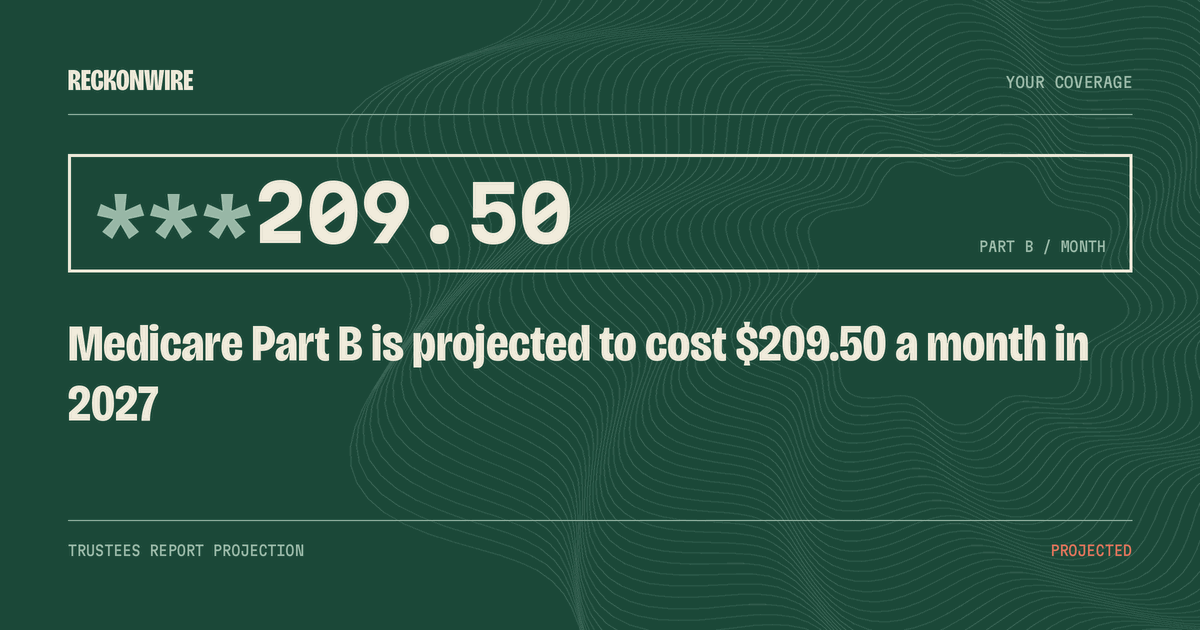
Medicare Part B is projected to cost $209.50 a month in 2027
The Trustees Report puts the 2027 standard Part B premium at $209.50, up $6.60 from 2026. Private forecasters think it lands higher. Here is the gap.
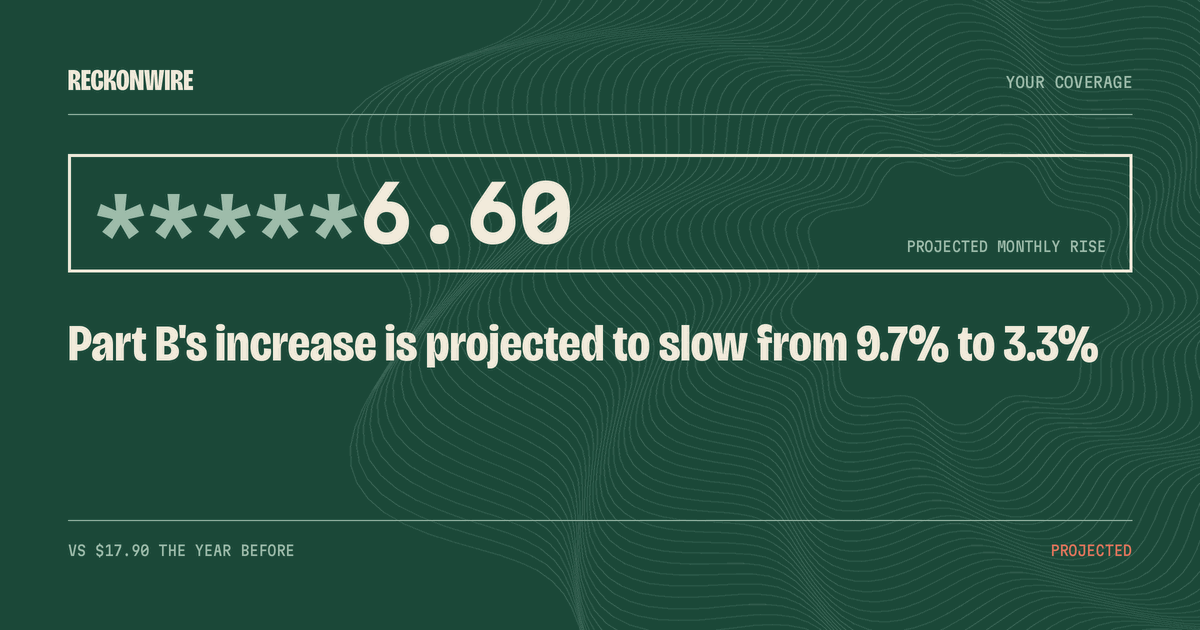
Part B's increase is projected to slow from 9.7% to 3.3%
After a $17.90 jump in 2026, the projected 2027 Part B increase is $6.60. What changed, and why the projection may still be low.
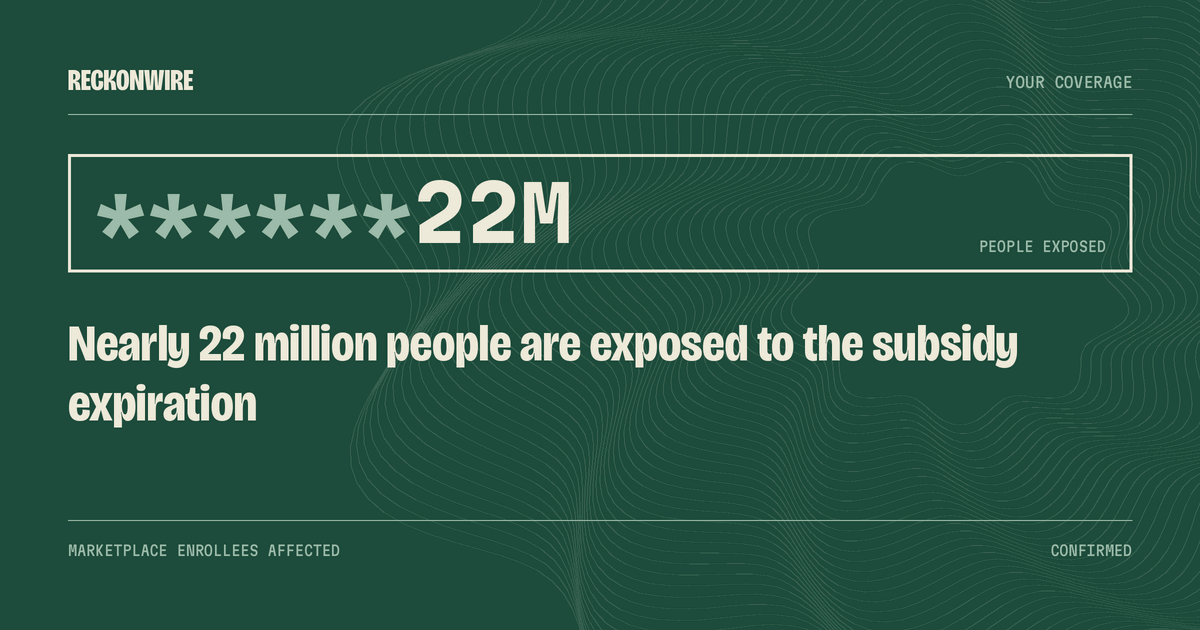
Nearly 22 million people are exposed to the subsidy expiration
Analysts put the number of people facing sharply higher health costs or losing coverage after the enhanced ACA credits expired at close to 22 million.
Your Money
Taxes, federal benefits, refunds and prices. The number that lands in your account.
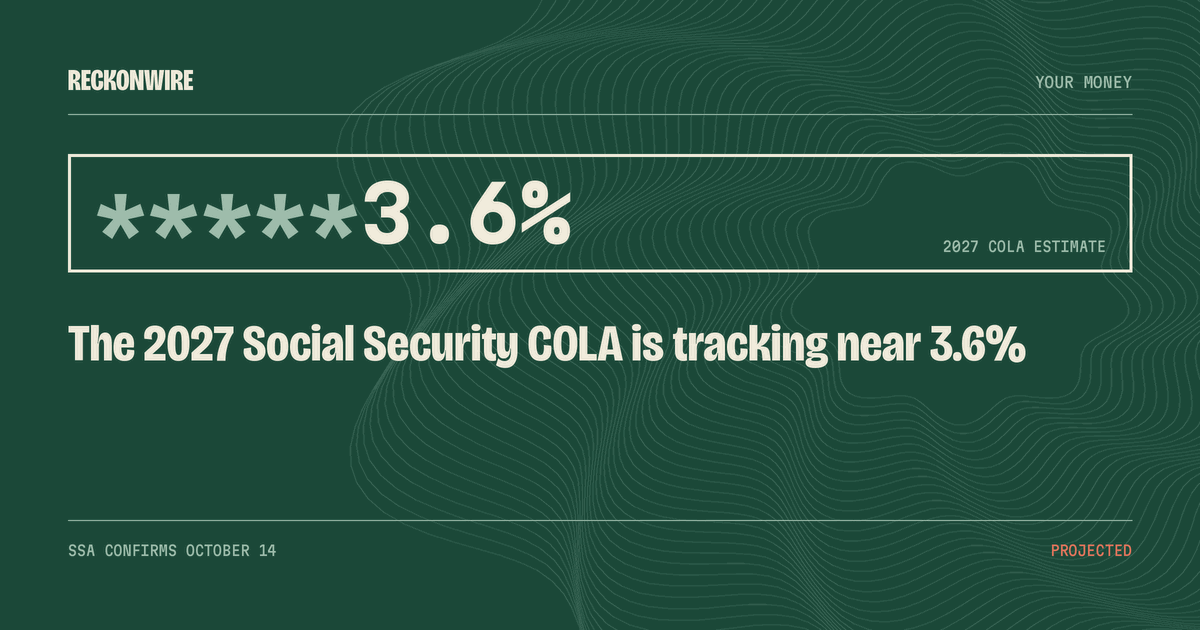
The 2027 Social Security COLA is tracking near 3.6%
Estimates for the 2027 cost-of-living adjustment run from 3.2% to 3.6% after July inflation data. SSA announces the confirmed figure on October 14.
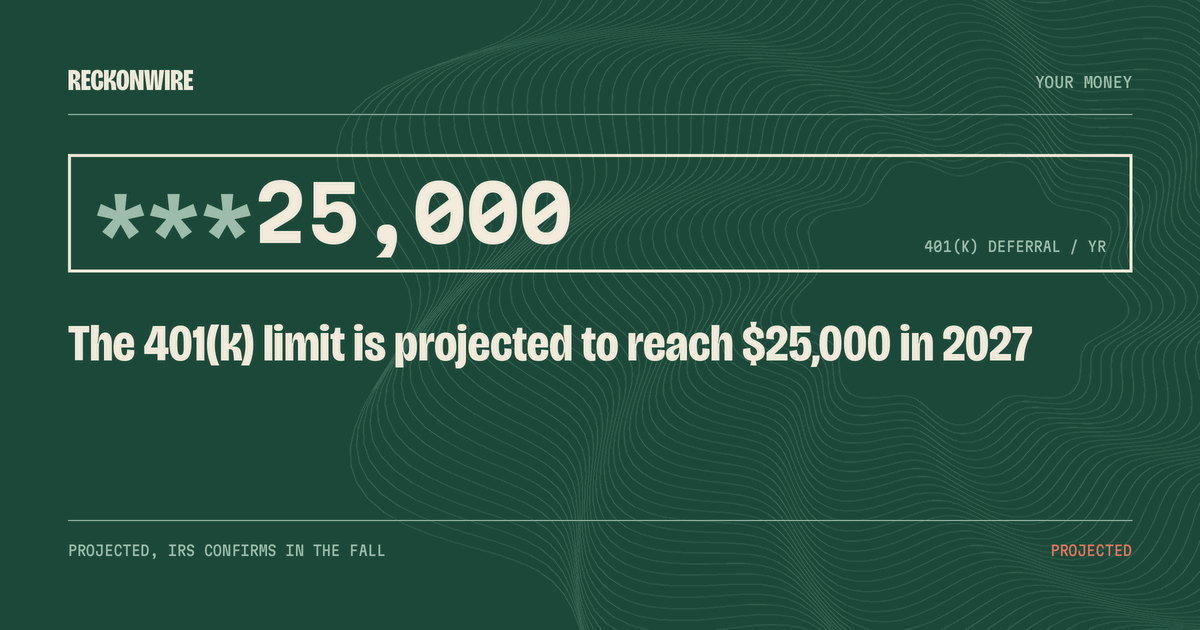
401(k) contribution limits 2027: the projected numbers
The 2027 401(k) contribution limit is projected at $25,000, up $500, with the age 60-63 catch-up at $11,750. The IRS confirms the real figures in late October.
2027 tax brackets: what is already settled, and what is not
The 2027 federal tax brackets are not published yet, but the inflation formula that sets them is. What is already locked in, and when the IRS confirms the rest.
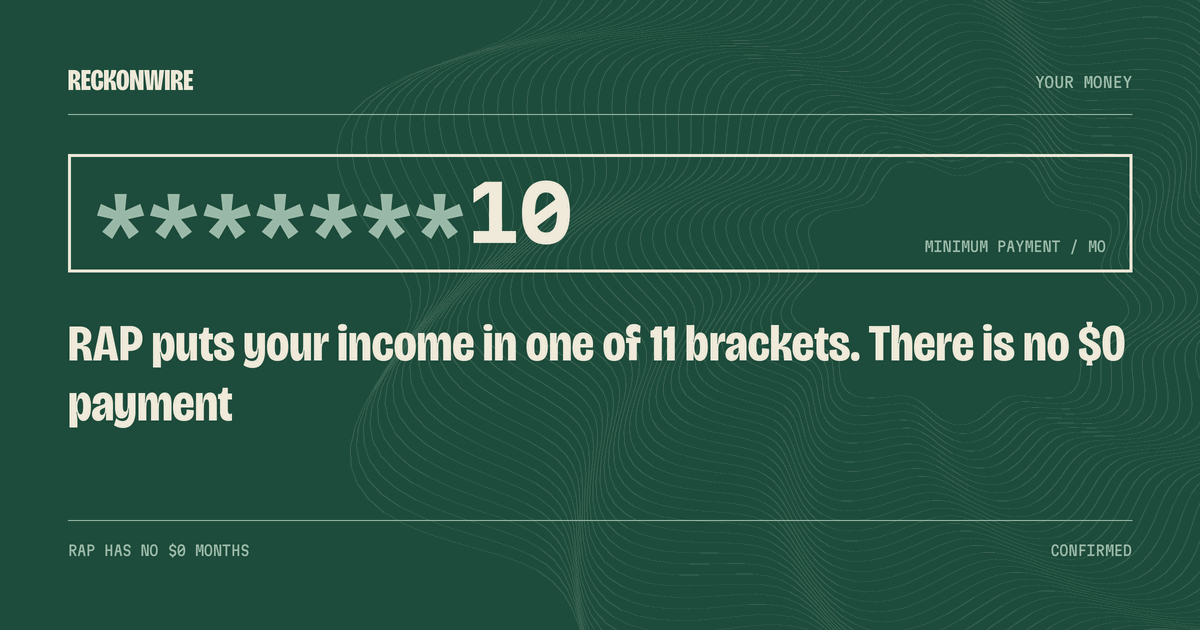
RAP puts your income in one of 11 brackets. There is no $0 payment
The Repayment Assistance Plan charges 1% to 10% of adjusted gross income, minus $50 per dependent, with a $10 monthly floor and no cap.
Deadlines & Dates
When the money moves, when the window closes, and what happens if you miss it.
FOMC decision October 2026: what a rate move costs you
The Fed meets October 27-28, 2026, with a decision due at 2pm ET — here's what a hike, cut or pause means for your bills.

HealthCare.gov open enrollment 2027 opens Nov 1
HealthCare.gov opens Nov 1, 2026, and runs through Jan 15, 2027. Enroll by Dec 15 for coverage starting Jan 1. State deadlines vary.
Debt ceiling X-date 2026: when Treasury runs out of room
Treasury's borrowing cushion is projected to run out around November 2026, though the exact date shifts as spending comes in.
Midterms 2026 set for Nov 3, control of Congress at stake
Election day is fixed for November 3, 2026. Whoever controls Congress in January decides what happens to tariffs, the debt ceiling, and tax cuts.
Washington → Wallet
Federal policy, priced per household. No sides, just the arithmetic.
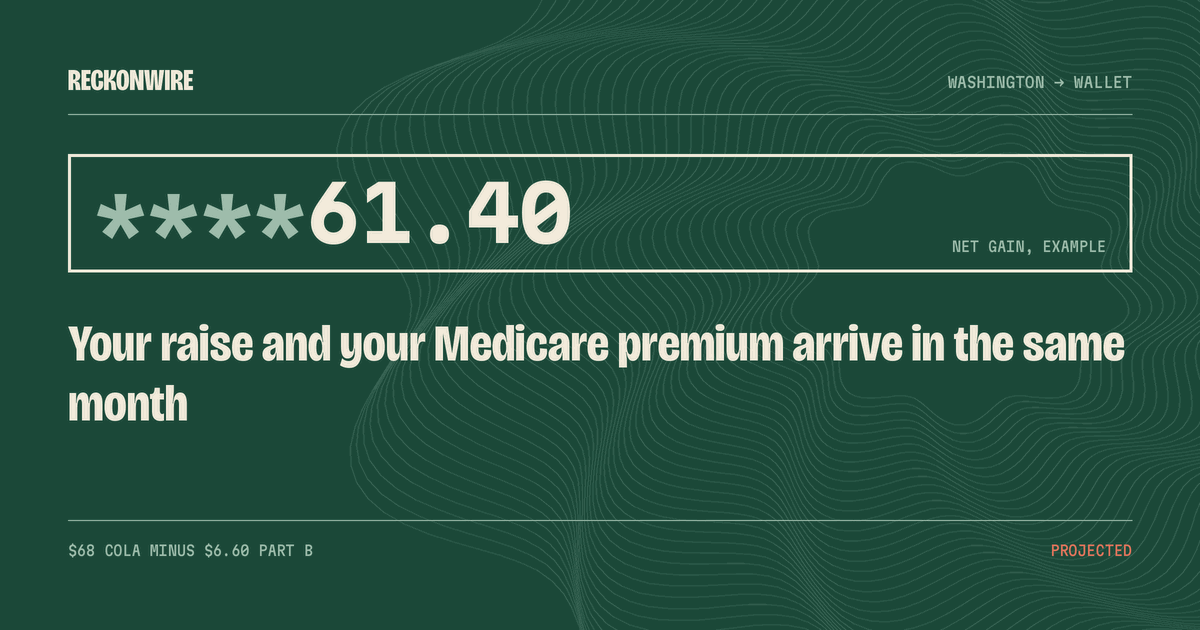
Your raise and your Medicare premium arrive in the same month
A 3.6% COLA on a $1,900 check is about $68. A projected $6.60 Part B increase takes roughly a tenth of it before the deposit lands.
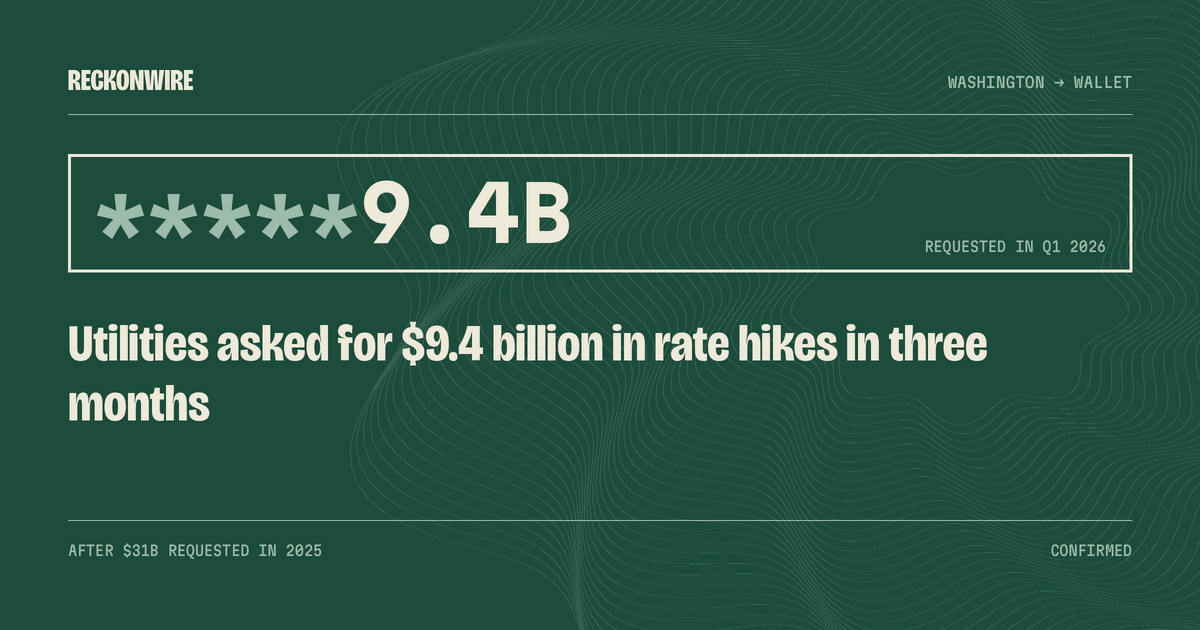
Utilities asked for $9.4 billion in rate hikes in three months
In Q1 2026 alone, utilities requested $9.4 billion in rate increases from state commissions, following $31 billion in requests across 2025.
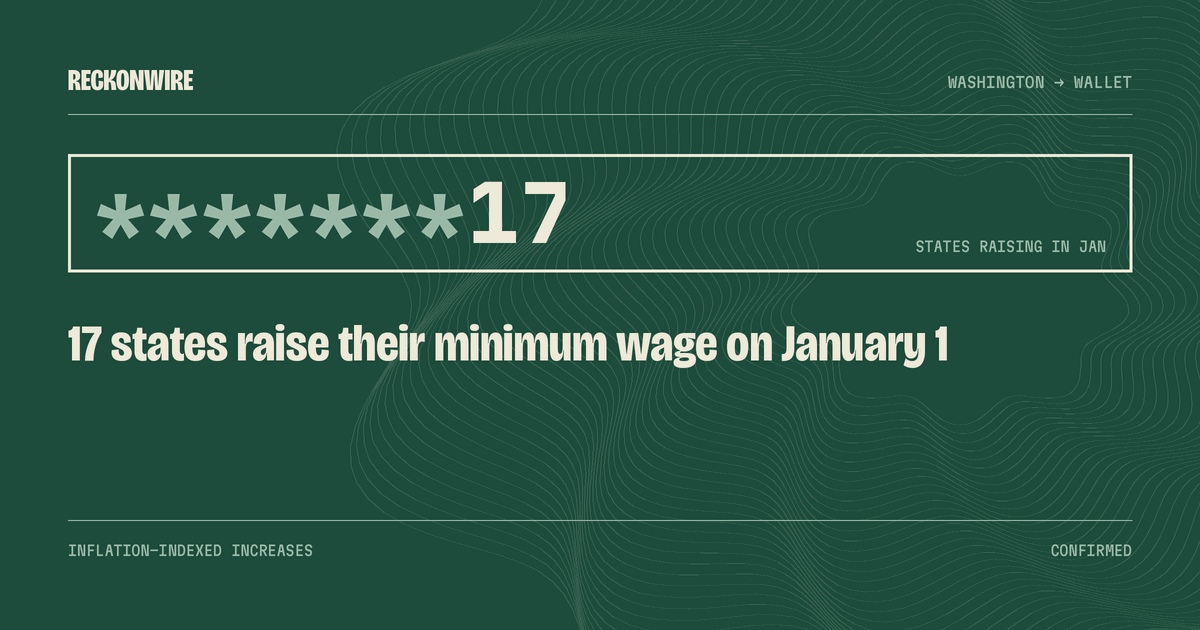
17 states raise their minimum wage on January 1
Seventeen states adjust their minimum wage for inflation each January. Michigan and Nebraska reach $15.00, Washington leads at $17.13.
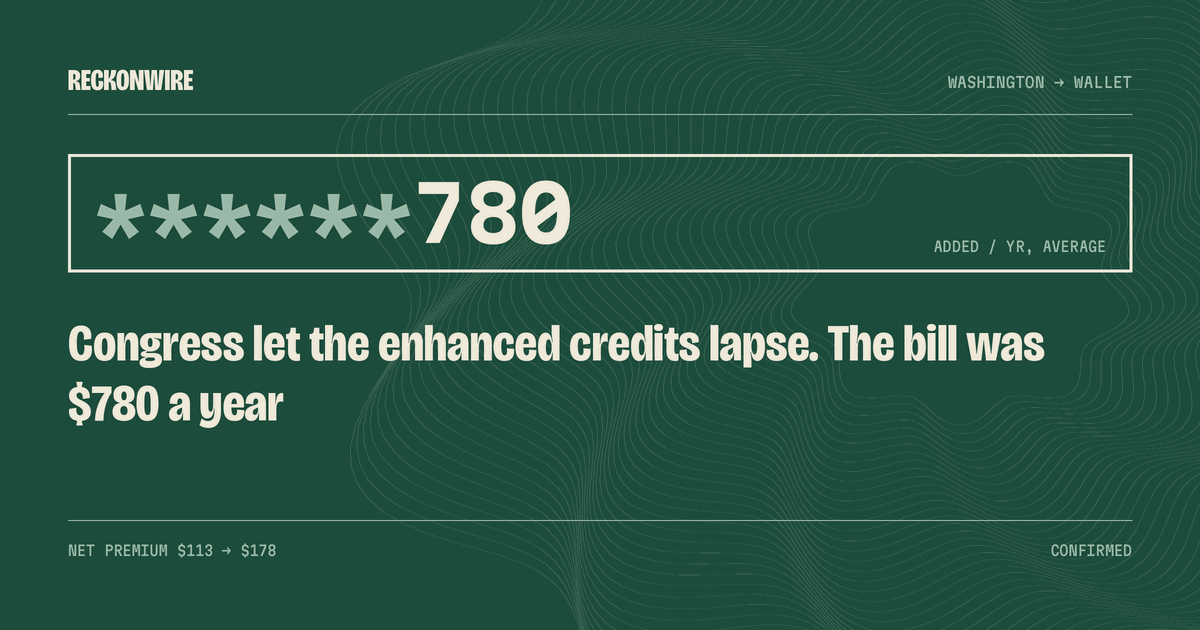
Congress let the enhanced credits lapse. The bill was $780 a year
The enhanced ACA premium tax credits expired December 31, 2025. The average net monthly premium rose $65 — about $780 over a full year.
World → Price
Tariffs, energy and supply chains — traded abroad, paid at your checkout.
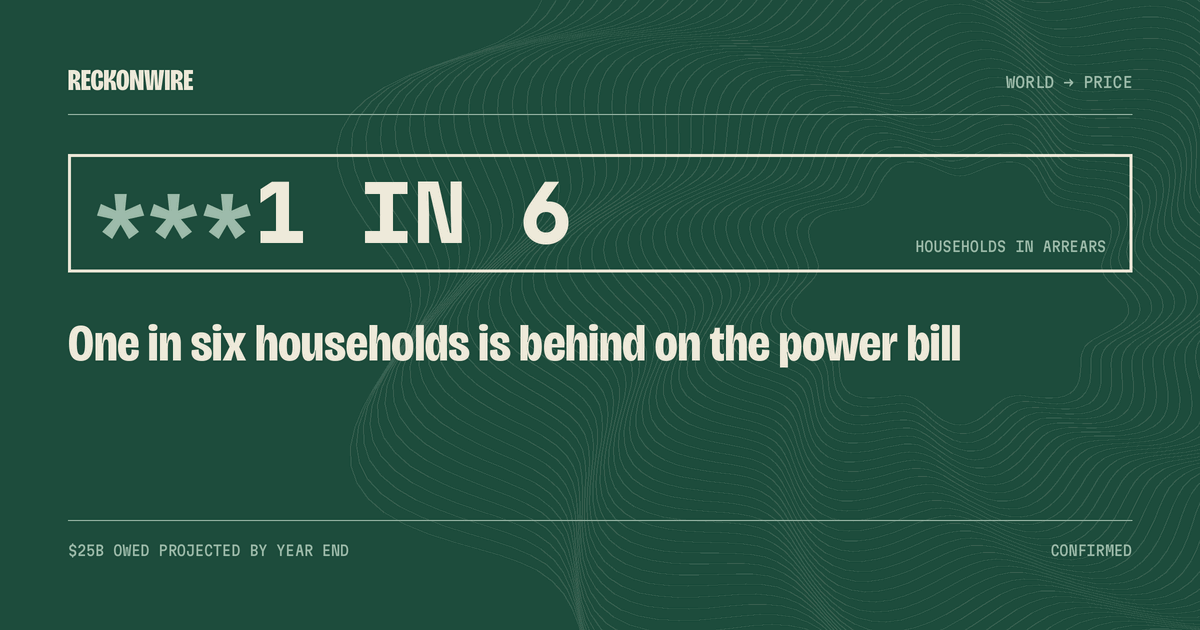
One in six households is behind on the power bill
Roughly 1 in 6 U.S. households entered 2026 behind on utility bills, with a combined $25 billion owed projected by year end.
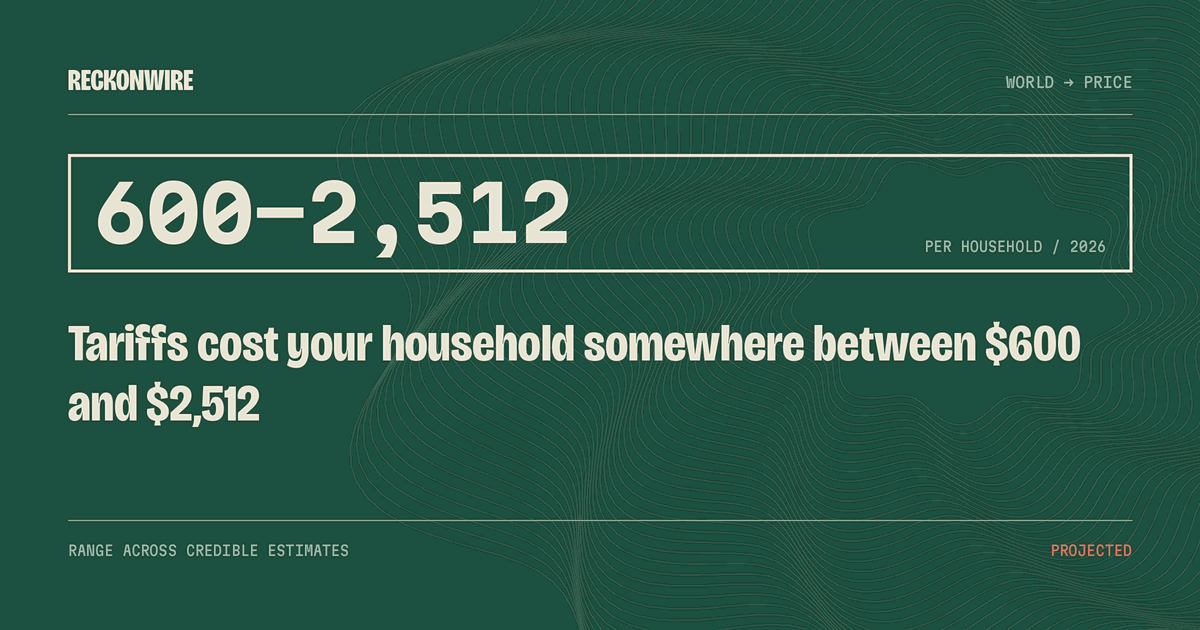
Tariffs cost your household somewhere between $600 and $2,512
Credible 2026 estimates of the per-household tariff cost differ by a factor of four. The spread is not sloppiness — it is what each study measures.
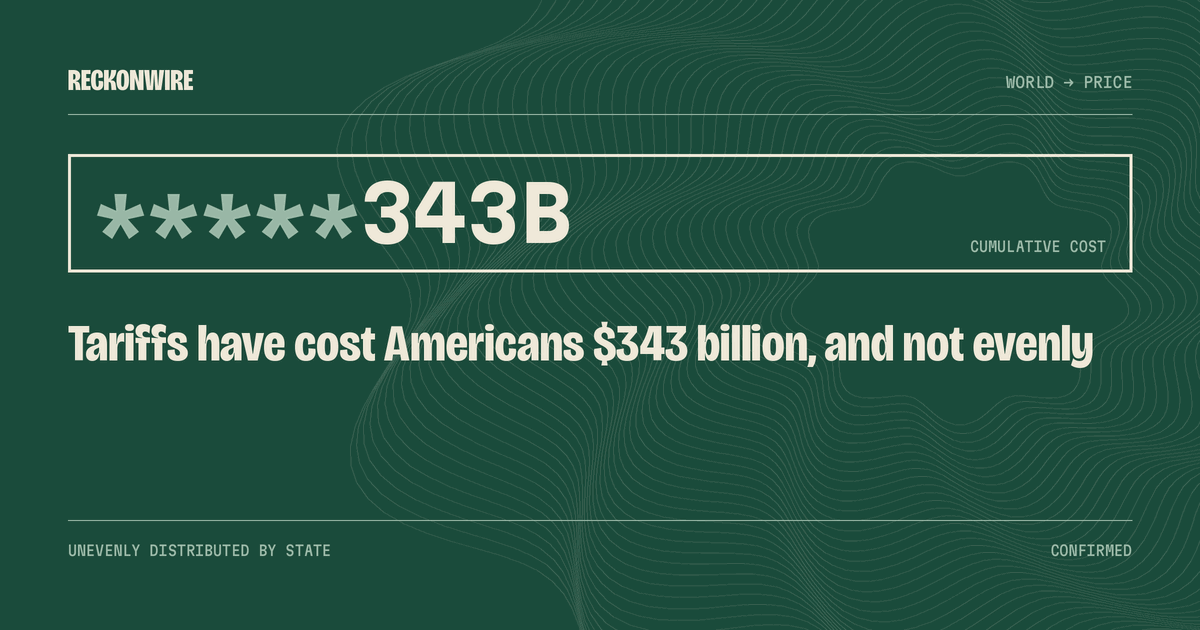
Tariffs have cost Americans $343 billion, and not evenly
Cumulative tariff costs have reached $343 billion, with residents of five states carrying a disproportionate share of the burden.
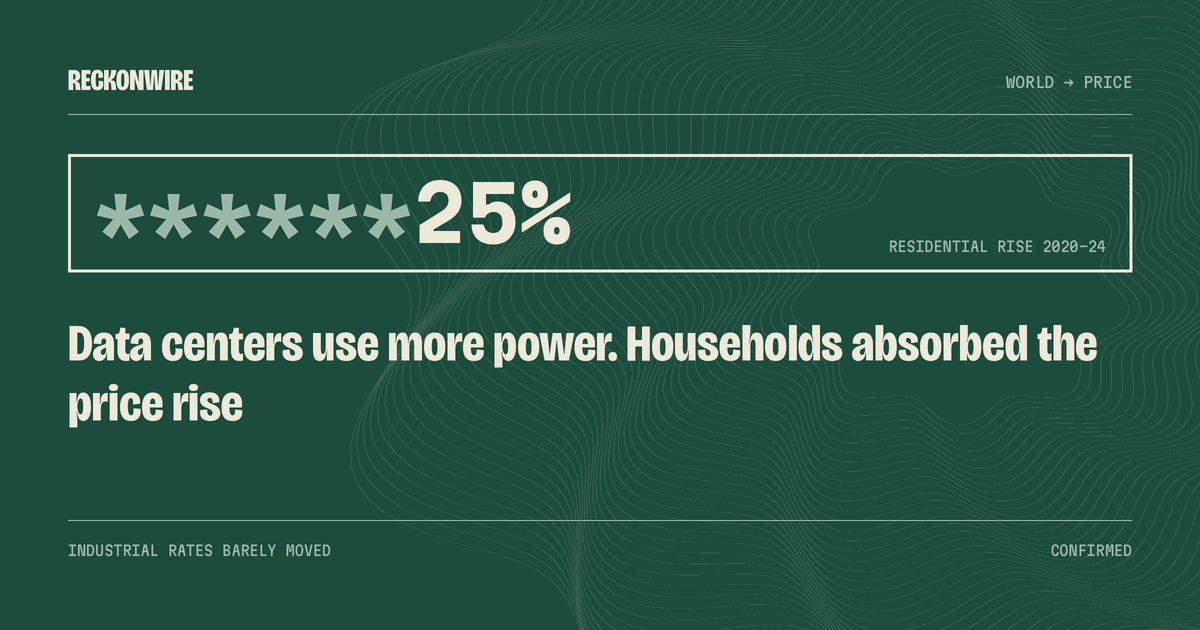
Data centers use more power. Households absorbed the price rise
Residential electricity prices rose 25% from 2020 to 2024 while industrial users saw little increase — and some now pay less than two years ago.